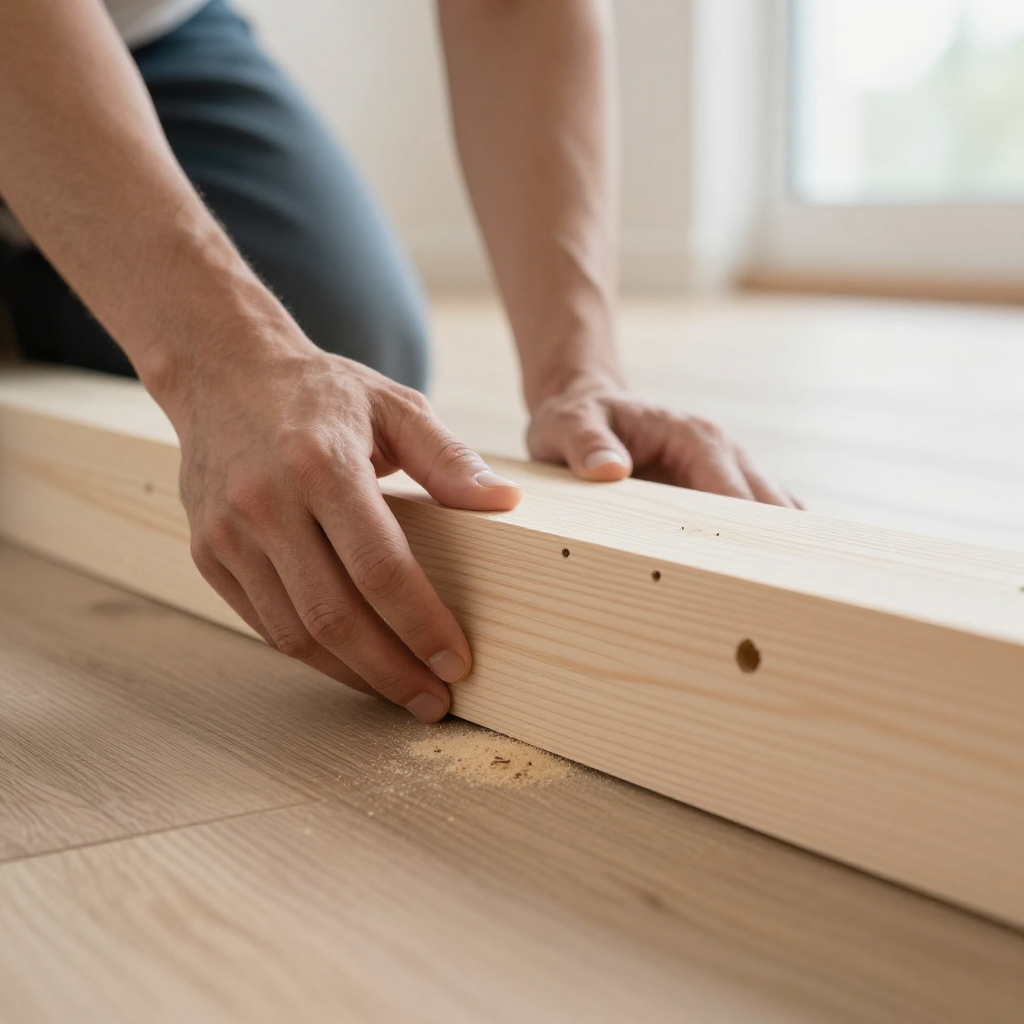
Wooden beams are one of the most important structural parts of many homes, cabins, barns, and historic buildings. They support roofs, ceilings, and floors while adding strength and character to a property. However, because wooden beams are made from natural timber, they can sometimes become vulnerable to insect damage over time.
Many homeowners are surprised to discover that wooden beams can quietly suffer hidden infestation for months or even years before visible signs appear. Insects such as woodworm, termites, carpenter ants, and beetles often damage wood internally, making the problem difficult to notice until timber becomes weakened.
The good news is that understanding why wooden beams get insect damage helps homeowners take preventive action and protect structural wood before major repairs become necessary.
Many homeowners researching timber care through shashel.eu/ understand that protecting wooden beams starts with identifying the causes of infestation early.
In this guide, we will explain why wooden beams attract insects, common warning signs, and how to prevent damage.
Wooden Beams Are Natural Wood
The main reason wooden beams become vulnerable is simple:
Wood is a natural material
Many insects feed on wood or use it for shelter.
Why Timber Attracts Insects
Wood contains natural fibers that attract:
- Woodworm larvae
- Termites
- Beetles
Older beams may become even more vulnerable over time.
Healthy timber requires protection.
Moisture Is One of the Biggest Causes
Moisture is one of the main reasons wooden beams suffer insect damage.
Why Damp Wood Attracts Insects
Damp timber becomes:
- Softer
- Easier to tunnel through
Many insects prefer wood that is:
- Moist
- Weakening
Common Moisture Sources
Watch for:
- Roof leaks
- Condensation
- Plumbing problems
Dry wood naturally discourages infestation.
Fast repairs matter.
Many homeowners exploring timber care through shashel.eu understand that moisture control is one of the most effective ways to protect wooden beams.
Poor Ventilation Creates Risk
Poor airflow increases humidity.
Why Ventilation Matters
Healthy airflow helps:
- Keep timber dry
- Reduce dampness
High-Risk Areas Include
- Attics
- Roof spaces
- Crawl spaces
Poor ventilation often increases insect risk.
Healthy airflow protects timber.
Woodworm Commonly Damages Beams
Woodworm is one of the most common timber pests.
Woodworm
Why Woodworm Targets Beams
Woodworm larvae tunnel through timber internally.
They often affect:
- Roof beams
- Ceiling joists
- Floor supports
Warning Signs Include
- Tiny holes in wood
- Powdery dust
Damage often remains hidden for years.
Routine inspection matters.
Termites Can Quietly Weaken Timber
Termites are another major threat.
Termite
Why Termites Are Dangerous
They feed continuously on wood.
This may weaken:
- Structural beams
- Support timber
Why Damage Goes Unnoticed
Termites often remain hidden inside wood.
Homeowners may notice damage only after structural weakness develops.
Fast detection matters.
Older Wooden Beams Are More Vulnerable
Aging timber may become weaker over time.
Why Older Beams Face More Risk
Older wood may have:
- Small cracks
- Moisture exposure
These conditions create ideal places for insects to:
- Lay eggs
Routine maintenance becomes more important with age.
Hidden Spaces Encourage Infestation
Wooden beams often remain hidden.
High-Risk Hidden Areas Include
- Attics
- Roof structures
Why Hidden Spaces Matter
Insects can spread quietly without disturbance.
Hidden damage often grows over time.
Regular inspection improves protection.
Cracks and Gaps Attract Insects
Small openings create entry points.
Why Cracks Matter
Insects may:
- Lay eggs inside gaps
Areas Worth Inspecting
Check beams for:
- Surface cracks
- Splits
Repairing openings improves prevention.
Small maintenance efforts matter.
Untreated Timber Faces Greater Risk
Unprotected wood may become easier to damage.
Why Protection Helps
Protective care helps resist:
- Moisture
- Wear
Routine maintenance improves durability.
Healthy timber lasts longer.
Seasonal Changes Affect Wooden Beams
Weather changes impact timber.
Winter Risks
Cold weather may increase:
- Condensation
Summer Risks
Warm weather may increase:
- Insect activity
Seasonal inspection improves prevention.
Consistency matters.
Signs Wooden Beams Have Insect Damage
Watch for early warning signs.
Common Symptoms Include
- Tiny holes in wood
- Powdery dust
- Hollow sounds
Structural Warning Signs
Look for:
- Weak beams
- Soft timber
Never ignore unusual changes.
Fast action protects the home.
How to Prevent Insect Damage in Wooden Beams
Keep Beams Dry
Dry wood discourages pests.
Improve Ventilation
Healthy airflow reduces humidity.
Inspect Beams Regularly
Routine checks catch problems early.
Repair Roof Leaks Quickly
Moisture increases infestation risk.
Seal Cracks
Reduce insect access.
Small habits improve protection.
Consider Modern Treatment Methods
Modern timber care continues evolving.
Common Solutions Include
- Heat treatment
- Microwave treatment
These methods may help eliminate hidden pests inside beams.
Professional advice improves outcomes.
Common Mistakes Homeowners Make
Ignoring Small Signs
Tiny holes often indicate hidden damage.
Delaying Repairs
Small problems spread quietly.
Ignoring Moisture
Dampness attracts pests.
Skipping Hidden Spaces
Attics deserve regular inspection.
Routine care improves durability.
Conclusion
Wooden beams get insect damage mainly because timber naturally attracts pests, especially when moisture, poor ventilation, cracks, or aging wood create favorable conditions. Hidden pests such as woodworm and termites may quietly weaken beams from the inside before visible warning signs appear.
Recognizing symptoms such as tiny holes, powdery dust, weak timber, and hollow sounds early helps prevent serious structural problems.